March 15, 2026 · Environment · San Diego, CA
Port of San Diego Unveils Zero-Emissions Maritime Plan
The Port of San Diego has announced an ambitious $800 million plan to achieve zero-emissions operations by 2035, positioning itself as a national leader in sustainable maritime infrastructure and setting a standard that port authorities across the country are already watching closely.
The comprehensive plan, unveiled by Port Commission Chair Laura Martinez at a waterfront ceremony attended by environmental leaders, labor representatives, and state officials, outlines a phased transition that touches every aspect of port operations — from the massive container ships that dock at its terminals to the trucks that carry goods to distribution centers across the region.
Electric Shore Power for All Berths
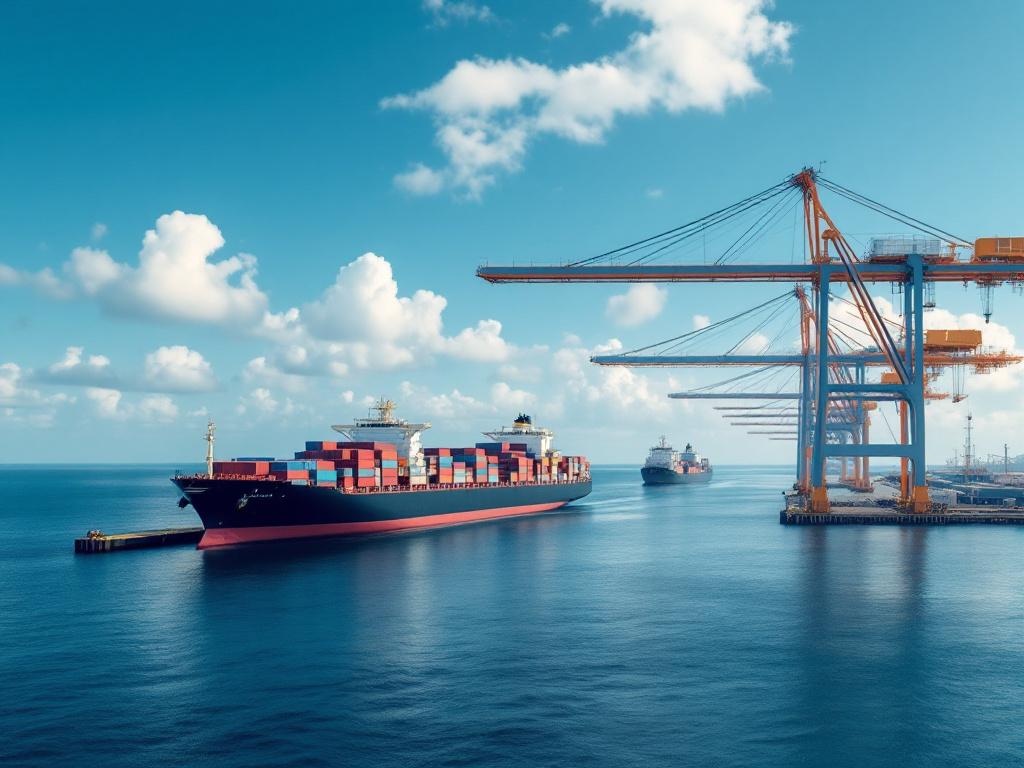
The most capital-intensive component of the plan is a $350 million investment in electric shore power infrastructure at all 16 active berths. Shore power allows vessels to plug into the electrical grid while docked, eliminating the need to run diesel auxiliary engines that currently produce significant air pollution in surrounding communities.
"Every hour a container ship sits at berth running its diesel engines, it produces as much pollution as 12,500 cars," said Martinez. "Shore power eliminates that completely. It's not incremental improvement — it's transformation."
The port currently has shore power capability at four berths serving the cruise terminal. The new plan will extend electrification to all cargo berths, the National City Marine Terminal, and the Tenth Avenue Marine Terminal by 2030. SDG&E has committed to upgrading the electrical infrastructure along Harbor Drive to support the increased power demand, estimated at 60 megawatts.
Hydrogen Fuel Cells for Harbor Craft
In what may be the plan's most innovative element, the port will invest $180 million in hydrogen fuel cell technology for its fleet of tugboats, pilot boats, and harbor patrol vessels. The port currently operates 14 diesel-powered harbor craft that collectively consume over 2 million gallons of diesel fuel annually.
The hydrogen initiative includes construction of a dedicated hydrogen production and fueling facility at the Tenth Avenue Marine Terminal, which will use electrolysis powered by a planned 15-megawatt solar installation on port-owned land in Otay Mesa. The green hydrogen produced on-site will fuel a new fleet of hydrogen-electric hybrid tugboats being developed in partnership with Sandia National Laboratories and a San Diego-based marine engineering firm.
"San Diego has a chance to pioneer hydrogen maritime technology the same way it pioneered naval innovation in the 20th century," said Dr. James Park, lead researcher on the hydrogen project. "The tugboat application is perfect — predictable routes, return-to-base operations, and sufficient deck space for fuel cell systems."
Zero-Emissions Truck Corridor
The third major pillar is a $150 million investment in creating a zero-emissions truck corridor connecting the port to major distribution hubs along the I-15 and I-805 corridors. This includes 12 heavy-duty electric truck charging stations, a $50 million incentive program to help drayage operators transition from diesel to electric trucks, and infrastructure upgrades along Harbor Drive and Main Street in Barrio Logan.
The truck electrification program directly addresses one of the most significant environmental justice concerns associated with port operations. Communities adjacent to the port — particularly Barrio Logan, Logan Heights, and National City — have long suffered disproportionate exposure to diesel particulate matter, which is linked to elevated rates of asthma, cardiovascular disease, and cancer.
Community and Labor Response
Environmental justice organizations praised the plan while emphasizing the importance of community oversight during implementation. The Environmental Health Coalition, which has advocated for port emission reductions for over two decades, called the plan "historic" but urged the port to establish binding timelines with community enforcement mechanisms.
Labor unions representing port workers expressed support for the transition, noting that the plan includes $40 million in workforce development funding to train existing workers on new technologies. The International Longshore and Warehouse Union Local 29 negotiated provisions ensuring that no workers would be displaced during the technology transition.
Funding and Timeline
The $800 million plan will be funded through a combination of port revenue bonds ($300 million), state cap-and-trade proceeds ($200 million), federal infrastructure grants ($180 million), and private investment from shipping lines and terminal operators ($120 million). The port has already secured $95 million in committed state funding and has applications pending for three federal grant programs.
Construction on shore power infrastructure at the Tenth Avenue Marine Terminal is scheduled to begin in late 2026, with the hydrogen fueling facility breaking ground in 2027. The port expects to achieve 50 percent emissions reduction by 2030 and full zero-emissions operations by 2035, five years ahead of California's statewide port emissions mandate.